

Why Homecare Is Essential in Modern Healthcare
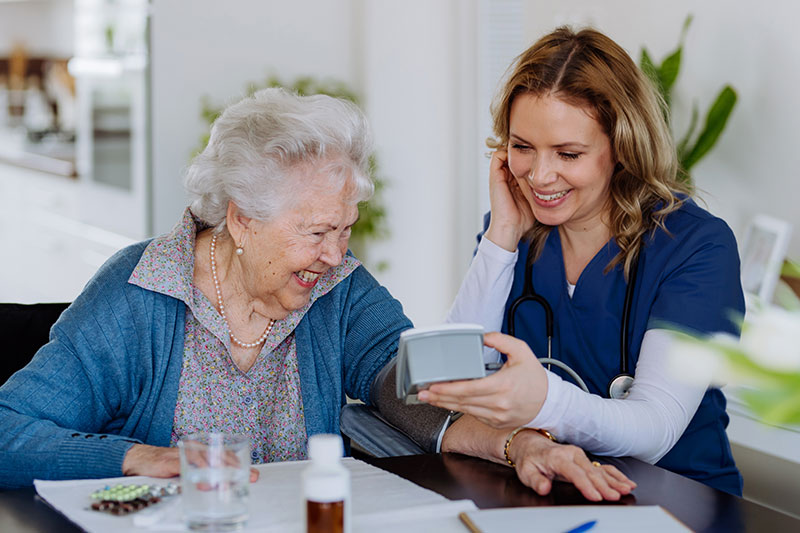
Homecare is now a cornerstone of modern healthcare. With ageing populations and rising chronic conditions, supporting people in their own homes is no longer just a preference – it is essential for safety, wellbeing, and reducing unnecessary hospital visits.
Most people want to age in place, recover in familiar surroundings, and manage their health within their communities. With the right support, individuals experience improved mental wellbeing, reduced stress, and better long-term outcomes.
Reducing Emergency Department Pressure
Emergency Departments continue to face increasing demand. In many cases, earlier support could prevent these presentations.
Home care plays a critical role in easing this pressure by providing proactive, timely care.
Early Intervention Through Care at Home
Remote monitoring, virtual check-ins, and responsive homecare teams help identify health concerns early. This proactive approach reduces avoidable Emergency Department visits and ensures hospital resources remain available for urgent and critical care.
The Role of Telehealth in Homecare
Telehealth and wearable health technologies have transformed homecare from a convenience into a standard model of care.
Clinicians can monitor conditions in real time, adjust treatment plans quickly, and intervene before issues escalate. As a result, people in both metropolitan and regional areas can access care when they need it.
What Homecare Services Include
Modern homecare extends beyond clinical care to provide comprehensive support tailored to each individual.
Clinical and Nursing Support
- Medication management
- Chronic disease management
- Wound care
- Individualised Care planning
- Ongoing monitoring and follow-up
Daily Living and Wellbeing Support
- Mobility assistance
- Nutrition and meal support
- Mental health and social connection
- Assistance with everyday tasks
This holistic approach supports physical health, emotional wellbeing, and safety in the home, helping individuals maintain independence for longer.
Evolving to Meet Demand
The homecare sector continues to evolve in response to growing demand and changing healthcare needs.
New models of care integrate experienced home nurses, community health professionals, and technology-enabled support teams.
Flexible and Connected Care
Flexible, needs-based services are replacing rigid appointment schedules. At the same time, improved data systems enable better communication between hospitals, GPs, allied health providers, and homecare teams – ensuring continuity of care.
The Future of Homecare
The shift toward connected, personalised nursing care at home represents a fundamental change in how healthcare is delivered.
By combining proactive care, remote monitoring, and tailored support, this approach helps reduce emergency presentations, improve health outcomes, and support people to remain safely at home.
The future of care is clear – compassionate, responsive, and delivered where people feel most comfortable: at home.
Frequently Asked Questions About Homecare
Homecare is professional support delivered in your own home. It can include home nursing care, 24 hour personal care, and assistance with daily activities, helping you stay safe and independent.
Homecare is suitable for people of all ages who need support at home, including older adults, those managing chronic conditions, or individuals recovering from surgery or illness.
Homecare supports early intervention through regular monitoring and professional care, helping identify issues before they become serious and require hospital treatment.
Services can include nursing care, medication management, wound care, mobility support, meal preparation, and companionship, depending on individual needs.
Yes, homecare is personalised to suit each individual’s health requirements, lifestyle, and preferences, ensuring the right level of support at the right time.