
More people are using AI chatbots to make sense of symptoms, test results and whether they need care. So more callers arrive with a ready-made diagnosis, a treatment plan, false reassurance, or a frightening list of possibilities. Our job hasn’t changed, but the conversation might start in a different place.
Continue readingDelirium vs Dementia: Know the Difference
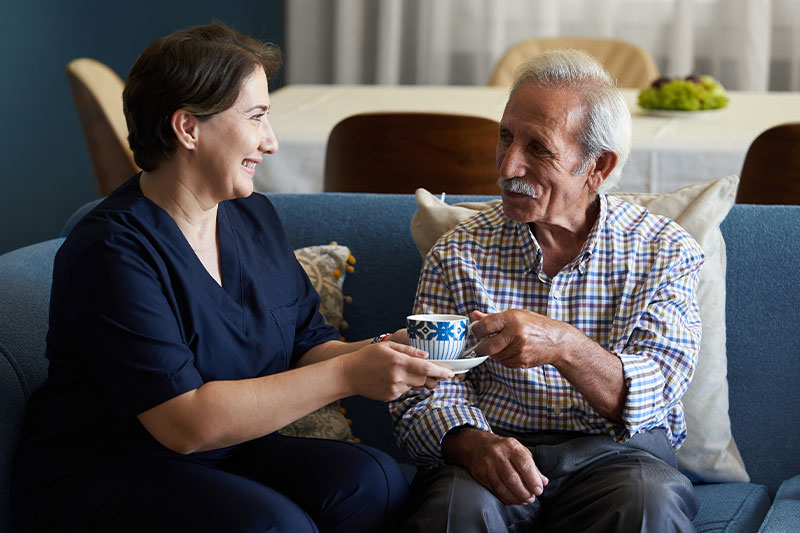
Understanding delirium vs dementia can help nurses and carers recognise changes that need urgent medical attention. A sudden change in a client’s confusion, alertness or behaviour should never automatically be attributed to dementia or ageing. This article explores what to look for, why knowing a client’s usual behaviour matters and when to escalate concerns.
Continue readingMedication at Home: Missed Doses & Overdoses
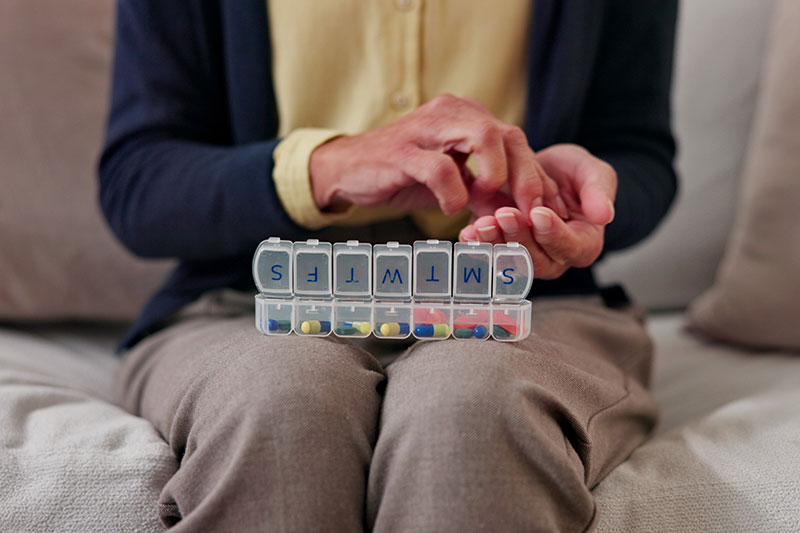
A missed medication dose and a double dose are two different situations that require different responses – and treating them the same way can put a client at risk. A missed dose is usually low-urgency but drug-specific. A double dose or overdose can be a genuine emergency and may require immediate advice or medical attention.
Continue readingHomecare: Meeting Needs Before They Become Emergencies
Homecare has become a central pillar of healthcare, helping people stay safely at home while reducing unnecessary Emergency Department visits. Through remote monitoring, virtual consultations, and comprehensive in-home support, services are evolving to meet medical, social, and practical needs – keeping patients healthier, more independent, and connected to care before small issues become emergencies.
Continue readingWomen in Healthcare Leadership: International Women’s Day
International Women’s Day is an opportunity to celebrate the achievements of women in nursing and recognise the leadership shaping the future of healthcare.
Continue reading