
Missed Doses – Why There’s No Single Rule
The common shorthand – “take it as soon as you remember, unless it’s nearly time for the next dose” – is a reasonable starting point for many medicines, but it is not universal. Some common medicine classes require different handling, so it’s important to check the specific guidance rather than applying a general rule.
| Medicine | If a dose is missed | Why it’s different |
|---|---|---|
| Warfarin | Take it the same day if remembered; never double up. Contact the GP or anticoagulant clinic if a dose is missed entirely or more than one dose is missed. | Narrow therapeutic window; doubling raises bleeding risk. |
|
DOACs (apixaban, rivaroxaban) |
Take within a few hours of the missed time if remembered; otherwise skip it and continue the normal schedule – never double. | Short half-life; doubling meaningfully raises bleeding risk. |
| Insulin | Depends on insulin type – check the individual’s plan. Check blood glucose, and contact the prescriber or diabetes educator for guidance rather than guessing. | Hyper- or hypoglycaemia risk depending on type and timing. |
| Levothyroxine | Take as soon as remembered, even later the same day; never double the next day. | Cumulative effect; acute risk from one missed dose is low. |
| Antiepileptics | Take as soon as remembered; contact the prescriber if doses are repeatedly missed. | Missed doses raise seizure risk. |
|
Opioids (chronic pain) |
Take if remembered, but skip if close to the next scheduled dose – never double. | Doubling raises sedation and respiratory depression risk. |
| Long-term corticosteroids | Take as soon as remembered; never stop abruptly after repeated missed doses without medical advice. | Abrupt cessation risks adrenal suppression. |
When in doubt, check the specific product information or call the client’s pharmacist rather than applying a general rule – it takes two minutes and avoids guesswork on medicines where the margin for error is small.
Overdose or Double-Dosing – What to Do
Stay with the client and find out what was taken, how much and when. Act on that information straight away rather than waiting to see how they look.
Call the Poisons Information Centre on 13 11 26 – a free, 24/7 service – for guidance specific to the medicine, the amount taken and the person.
If any of the red flags below are present, call 000 immediately rather than waiting for advice from the Poisons Information Centre.
Call 000 immediately if the client has…
- Reduced or fluctuating consciousness, or is unresponsive
- Difficulty breathing, or breathing that is unusually slow or shallow
- A seizure
- Chest pain or signs of a severe allergic reaction (anaphylaxis)
- Signs of significant bleeding in a client on anticoagulants
Do not induce vomiting – this is outdated advice and can cause more harm. And do not assume that looking and feeling fine rules out a problem: some of the most dangerous medication overdoses, paracetamol being the clearest example, cause no symptoms at all for the first 24 hours while organ damage is already underway. Call for advice based on what was taken, not on how the person currently looks.
Medicines Where Overdose Risk Is Highest
| Medicine | Watch for | Response |
|---|---|---|
| Opioids | Pinpoint pupils, slow or shallow breathing, extreme drowsiness, unresponsiveness | Call 000 immediately; give naloxone if available and trained to do so |
| Anticoagulants (warfarin, DOACs) |
Unusual bruising, bleeding gums, blood in urine or stool, severe headache | Call the Poisons Information Centre; 000 for active bleeding or head injury |
| Insulin / sulfonylureas | Sweating, confusion, shakiness, reduced consciousness | Check blood glucose immediately; treat hypoglycaemia per protocol; 000 if unconscious or unable to swallow |
| Paracetamol | Often no symptoms for the first 24 hours – absence of symptoms does not mean no harm | Call the Poisons Information Centre immediately regardless of how the person looks or feels |
The Do’s and Don’ts
Do
- Call the Poisons Information Centre on: 13 11 26 for any suspected double dose or overdose, even if the client seems well.
- Call 000 immediately for any red-flag symptom – don’t wait for the Poisons Information Centre first in that case.
- Document exactly what was taken, how much, and when, plus the advice given and actions taken.
Don’t
- Double a dose to ‘catch up’ unless that specific medicine’s instructions say to.
- Induce vomiting or rely on home remedies.
- Treat a missed or doubled dose as routine for high-risk medicines – anticoagulants, insulin, opioids and paracetamol all need specific handling.
- Wait for symptoms before seeking advice – by the time some toxicities become visible, the treatment window may already be closing.
When Medication Mistakes Become a Pattern
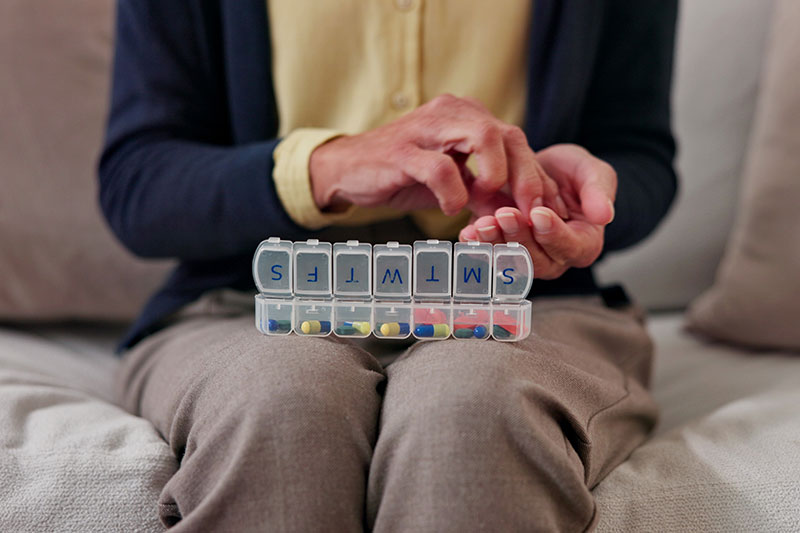
A pattern of missed or doubled doses may be more than a one-off mistake. It can be an early sign of changes in a person’s capacity, vision, dexterity or cognition that may affect their ability to manage medication safely.
Repeated incidents should prompt a review of the person’s medication management and whether additional support may be needed. Keeping an accurate record of what happened – including what was taken, how much and when – can also help healthcare professionals assess the situation and provide appropriate advice.
If a possible overdose or double dose occurs, follow the appropriate response outlined above rather than relying on how the person currently looks or feels.
Important Information
Medication advice can vary depending on the specific medicine, dose, formulation, timing and individual circumstances. Always follow the individual’s medication management plan and medicine-specific instructions, and seek advice from the prescribing clinician, pharmacist or Poisons Information Centre when unsure.
This article provides general information only and is not a substitute for individualised clinical assessment, medication advice or emergency care.
Sources
Poisons Information Centre (13 11 26), NSW/Qld/Vic/WA Poisons Information services; healthdirect – Poisoning; Royal Children’s Hospital Melbourne Clinical Practice Guidelines – Paracetamol poisoning.