

Clinical Judgement Without the Full Picture in Modern Nursing Practice
Clinical judgement without the full picture is a daily reality for many nurses working beyond traditional ward environments, including telehealth, homecare, clinical research, and community-based roles. In these settings, decisions are often made with limited information, reduced visibility, and fewer immediate supports. This makes strong clinical judgement essential for maintaining patient safety, professional confidence, and accountability.
From asking the right questions to clear documentation and reflection, small, consistent strategies help nurses make safe decisions – even when the full clinical picture is not immediately available.
Nursing Decision-Making Beyond Traditional Clinical Environments
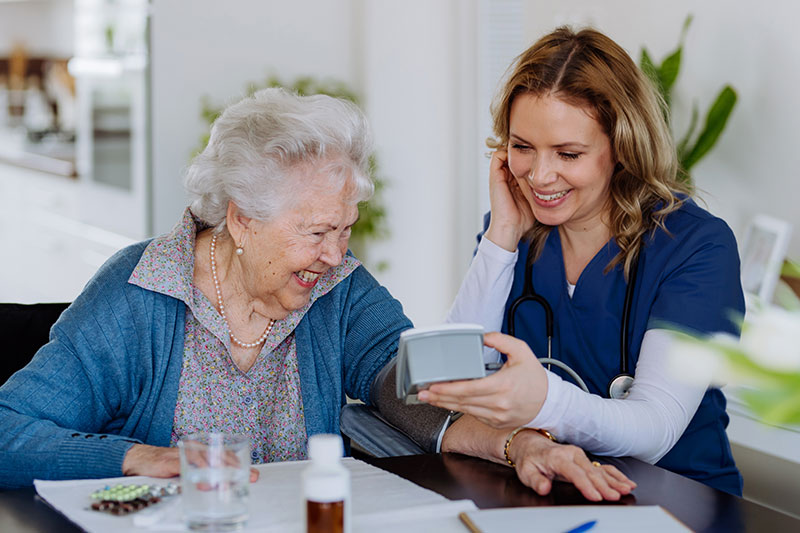
Modern nursing increasingly takes place outside hospitals and acute care settings. Telehealth nurses may rely entirely on verbal information. Homecare nurses often assess patients alone in unfamiliar environments. Research nurses work within strict protocols that limit the scope of assessment and intervention.
Across these varied roles, nurses are required to work autonomously, interpret incomplete information, and make sound clinical decisions without the benefit of immediate physical assessment or a multidisciplinary team close at hand.
Why Clinical Judgement Matters When Information Is Limited
In non-traditional settings, nurses may not have access to full patient histories, diagnostic results, or direct observation. This increases the risk of missed cues, delayed escalation, or uncertainty in decision-making.
Clinical judgement without the full picture enables nurses to:
- recognise potential risks early
- act decisively within their scope of practice
- maintain patient safety despite uncertainty
- remain confident and accountable in autonomous roles
It is not about guessing or filling gaps with assumptions – it is about synthesising what is available and responding appropriately.
Preparation for Safe Clinical Judgement in Autonomous Nursing Roles
Preparation underpins effective clinical judgement in any setting, particularly when information is limited.
Scope of Practice and Escalation in Clinical Judgement
A clear understanding of role boundaries, organisational policies, and escalation processes allows nurses to act confidently when uncertainty arises. Knowing when and how to escalate concerns supports timely intervention and protects both patients and practitioners.
Recognising Red Flags When the Full Picture Is Unclear
Familiarity with red flags, safeguarding indicators, and emergency protocols helps nurses identify concerns early – even when signs are subtle or indirect. Preparation ensures that risk is recognised before it escalates.
Communication and Clinical Judgement Without the Full Picture
Communication plays a critical role in clinical judgement without the full picture.
Structured Questions to Support Clinical Judgement
Using structured questioning techniques helps nurses gather accurate and relevant information. Whether communicating by phone, video, or in person, targeted questions reduce ambiguity and support sound clinical reasoning.
Active Listening in Complex Nursing Decisions
Active listening, clarification, and confirmation of understanding help minimise assumptions and misinterpretation. Repeating key information back to patients or carers ensures accuracy and shared understanding.
Documentation as a Safeguard for Clinical Judgement
Clear, factual documentation is essential in autonomous nursing roles. Accurate records demonstrate clinical reasoning, support continuity of care, and provide professional protection.
Well-documented decisions help ensure that other healthcare providers understand the context, rationale, and actions taken – particularly when care is transferred across teams or settings.
Strengthening Clinical Judgement Through Reflection and Learning
Reflection strengthens clinical judgement over time. Reviewing challenging decisions, seeking feedback, and engaging in ongoing learning help nurses refine their decision-making skills and build confidence.
Continuous professional development supports adaptability across diverse nursing environments and reinforces safe, accountable practice.
Making Safe Decisions in Any Nursing Setting
Clinical judgement without the full picture is not about having all the answers. It is about using experience, critical thinking, communication, and professional accountability to make safe decisions – no matter where or how nursing care is delivered.
As nursing continues to evolve beyond traditional settings, these skills remain fundamental to high-quality, patient-centred care.